



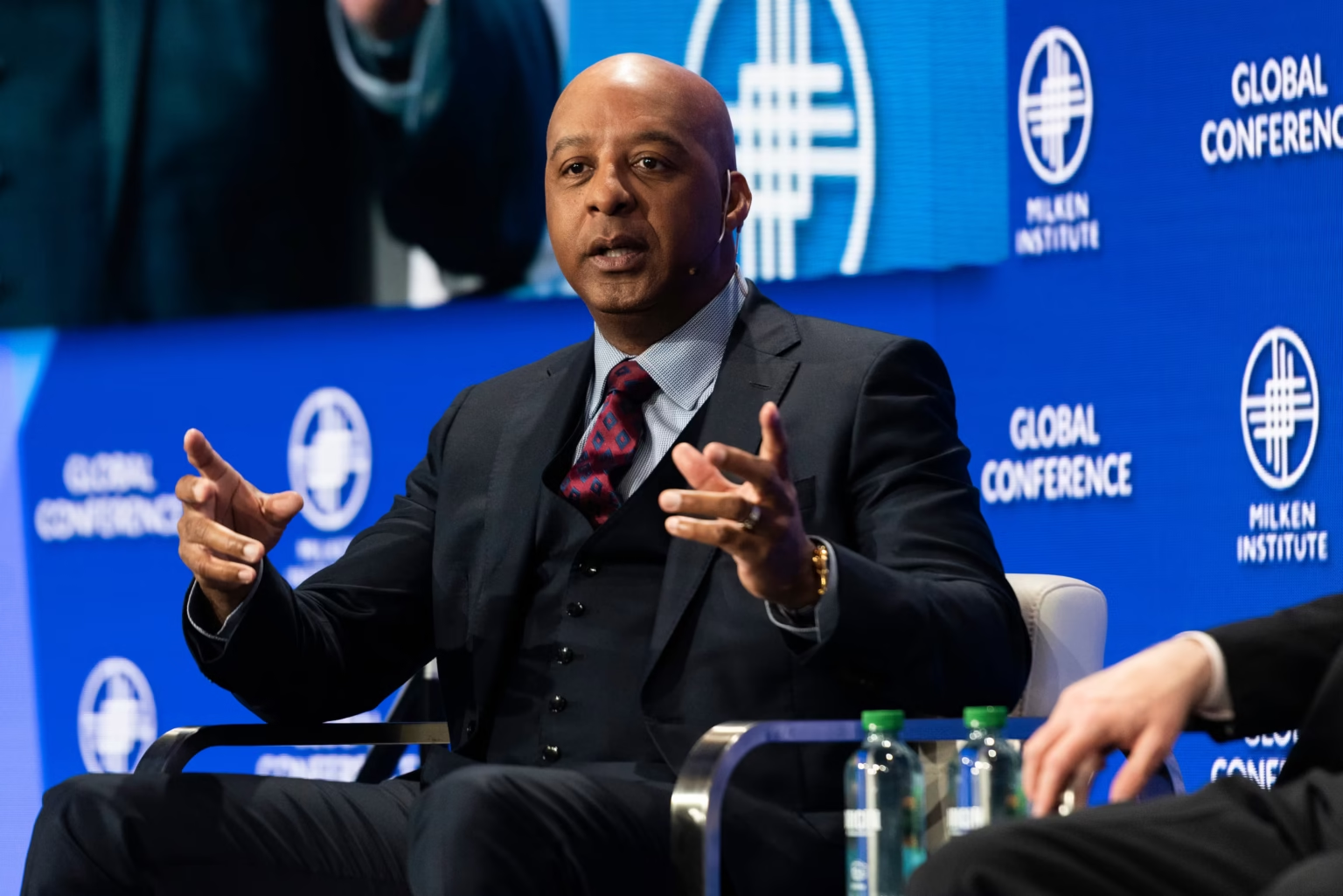
greg garland and marvin ellison are two prominent American business executives whose careers reflect different approaches to leadership, corporate transformation, and professional success. While Garland established his reputation in the energy industry, Ellison became an influential figure in American retail. Their professional journeys demonstrate how experience, strategic thinking, and operational knowledge can shape leadership within major corporations.
Although they operate in different industries, their stories reveal important similarities in navigating economic uncertainty, managing organizational change, and balancing corporate responsibilities. Furthermore, their careers offer valuable perspectives on leadership development, workplace culture, and the evolving expectations placed on executives in modern American business.
Who Are Greg Garland and Marvin Ellison?
Greg Garland is an American business executive widely recognized for his leadership at Phillips 66, a major energy company involved in refining, transportation, chemicals, and related operations. His career spans decades of experience in industrial management, corporate strategy, and energy infrastructure.
Marvin Ellison, meanwhile, is an American retail executive best known for leading Lowe’s Companies, one of the largest home improvement retailers in the United States. His career includes significant leadership positions at Home Depot, Target, and JCPenney. Together, their backgrounds illustrate two distinct routes toward corporate leadership.
Greg Garland and Marvin Ellison: Professional Profiles at a Glance
| Category | Greg Garland | Marvin Ellison |
|---|---|---|
| Full name | Greg C. Garland | Marvin R. Ellison |
| Profession | Business executive | Business executive |
| Primary industry | Energy and petrochemicals | Retail and home improvement |
| Best known for | Former chairman and CEO of Phillips 66 | Chairman and CEO of Lowe’s |
| Education | Texas A&M University | University of Memphis and Emory University |
| Career background | Engineering and energy management | Retail operations and management |
| Leadership expertise | Corporate strategy and industrial operations | Retail transformation and customer experience |
| Major achievement | Leading Phillips 66 following its separation from ConocoPhillips | Leading major Fortune 500 retail companies |
This comparison highlights how different educational backgrounds and professional experiences can prepare individuals for demanding executive responsibilities. More importantly, it demonstrates that corporate leadership does not follow a single professional formula.
Greg Garland’s Early Career and Professional Development
Greg Garland developed his professional foundation through engineering and industrial management. After earning a chemical engineering degree from Texas A&M University, he entered an industry where technical knowledge and operational discipline play essential roles in business performance.
Throughout his career, Garland gained experience in refining, chemical operations, and corporate management. Consequently, his understanding of complex industrial systems helped prepare him for senior executive responsibilities. His progression also illustrates the importance of specialized knowledge in industries where investment decisions, safety requirements, and market conditions influence long-term corporate success.
Marvin Ellison’s Rise Through the American Retail Industry
Marvin Ellison’s career began much closer to the everyday realities of retail operations. His professional journey included frontline experience, which later became an important part of his leadership identity and management philosophy.
Over the years, Ellison advanced through increasingly responsible positions at major American retailers. He developed expertise in store operations, merchandising, customer service, and organizational management. Eventually, he became CEO of JCPenney before joining Lowe’s in 2018. His journey demonstrates how practical experience, continuous learning, and professional determination can create opportunities for advancement within competitive industries.
How Greg Garland Helped Transform Phillips 66
Garland became chairman and chief executive officer of Phillips 66 when the company separated from ConocoPhillips in 2012. This transition represented a major corporate restructuring and required a clear strategic direction for the newly independent organization.
Under his leadership, Phillips 66 focused on strengthening its refining, midstream, chemicals, and marketing businesses. Additionally, the company pursued investments intended to improve operational efficiency and support long-term growth. Garland’s responsibilities involved balancing financial performance with industrial safety, infrastructure development, and changing energy-market conditions, making his tenure a significant period in the company’s history.
Marvin Ellison’s Leadership and the Modernization of Lowe’s
When Marvin Ellison joined Lowe’s as CEO in 2018, the home improvement industry was undergoing important changes. Customers increasingly expected convenient online shopping, reliable product availability, and faster fulfillment services.
Ellison emphasized operational improvements, digital capabilities, merchandising, and services for professional contractors. Furthermore, his leadership encouraged greater attention to inventory management and the customer experience across physical and digital channels. These initiatives reflected a broader transformation in American retail, where traditional stores needed to adapt to evolving consumer expectations while maintaining strong operational performance and competitive pricing.
Two Different Industries With Similar Leadership Demands
The professional experiences of greg garland and marvin ellison reveal how leadership challenges often extend beyond industry boundaries. Energy companies must manage infrastructure, commodity prices, environmental regulations, and substantial capital investments. Retail businesses, however, depend heavily on consumer demand, workforce performance, inventory systems, and customer satisfaction.
Despite these differences, both sectors require disciplined decision-making and effective organizational management. Executives must respond to economic uncertainty while protecting long-term business interests. Moreover, they must recognize changing market conditions early enough to adjust strategies without unnecessarily disrupting established operations or employee confidence.
The Importance of Operational Knowledge in Executive Leadership
One important characteristic connecting these executives is their extensive operational experience. Garland’s engineering background provided technical insight into the industrial systems that support energy production and distribution. Similarly, Ellison’s retail experience helped him understand the practical challenges faced by employees and customers.
This knowledge can strengthen executive decision-making because it connects corporate strategy with everyday business realities. Furthermore, leaders who understand operational processes may be better positioned to identify inefficiencies, evaluate investment opportunities, and communicate realistic expectations. Their careers demonstrate why practical experience remains valuable even as modern organizations become increasingly technology-driven.
Corporate Leadership During Economic Uncertainty
Major corporations operate within economic environments that executives cannot completely control. Energy prices fluctuate because of international supply conditions, geopolitical developments, and changing demand. Meanwhile, retailers face inflation, consumer spending shifts, supply-chain disruptions, and competitive pressures.
Consequently, leadership requires the ability to distinguish temporary market difficulties from structural changes that demand long-term adjustments. Garland’s experience in energy management and Ellison’s background in retail transformation illustrate different responses to this challenge. Both careers highlight the importance of financial discipline, organizational flexibility, and informed strategic planning during periods of uncertainty.
How Their Leadership Styles Reflect Corporate Culture
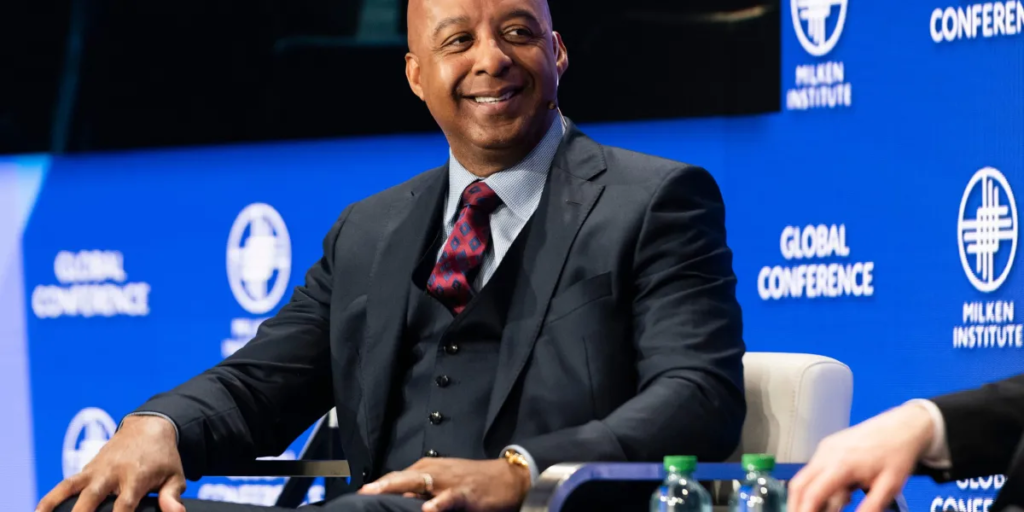
Corporate leadership is shaped not only by individual personality but also by the demands of an organization’s industry and workforce. Garland’s career reflects an environment where engineering expertise, operational reliability, and capital allocation are central to business decisions.
Ellison’s leadership, by comparison, places considerable emphasis on retail execution, employee engagement, and customer relationships. Nevertheless, both approaches depend on establishing clear expectations and maintaining accountability. Their experiences suggest that effective leadership is rarely defined by a single management style. Instead, it develops through the relationship between professional expertise, organizational needs, and changing business conditions.
Marvin Ellison and the Significance of Representation
Marvin Ellison’s professional achievements carry particular cultural importance within American corporate leadership. As a Black executive who has led major Fortune 500 companies, his career contributes to broader conversations about representation and access to executive opportunities.
His journey also highlights the importance of professional development and advancement pathways within large organizations. However, representation involves more than individual achievement. It raises questions about recruitment, mentorship, promotion practices, and organizational culture. Ellison’s career therefore provides a meaningful example within continuing discussions about how American businesses can develop leadership talent from a wider range of professional and personal backgrounds.
Greg Garland’s Influence on Long-Term Energy Strategy
The energy industry faces persistent questions about infrastructure investment, environmental responsibility, energy security, and changing consumer demand. Garland’s tenure at Phillips 66 unfolded during a period when these issues became increasingly prominent in corporate strategy.
His leadership emphasized managing established energy businesses while evaluating opportunities for future development. Furthermore, his experience illustrates the complexity of balancing immediate operational requirements with longer-term market developments. Although energy companies face different circumstances, the broader challenge remains consistent: maintaining reliable operations while adapting to economic, technological, and environmental changes that may reshape the industry.
Why Their Professional Journeys Matter Beyond Business
The careers of greg garland and marvin ellison offer insights that extend beyond corporate boardrooms. Their decisions influenced organizations employing thousands of people and serving important roles in the American economy.
Corporate leadership also affects local communities, suppliers, investors, and consumers. For example, decisions involving industrial investment can influence employment and regional economic activity. Similarly, retail strategies can change workplace practices and customer experiences across hundreds of locations. Therefore, evaluating executive leadership requires considering its human consequences alongside traditional measures of financial performance, operational efficiency, and shareholder value.
The Changing Expectations of American Corporate Executives
Modern executives face expectations that extend beyond profitability and market expansion. Investors increasingly examine governance practices, operational resilience, and strategic planning. Employees also pay attention to workplace culture, career opportunities, and organizational stability.
At the same time, customers expect companies to demonstrate reliability, transparency, and responsiveness. Consequently, corporate leaders must balance competing interests without losing sight of their organizations’ core responsibilities. The experiences of Garland and Ellison reflect this evolving environment, where executive credibility depends on practical decisions, consistent performance, and the ability to navigate complex relationships between businesses and society.
Leadership Transitions and Professional Legacy
Greg Garland stepped down as CEO of Phillips 66 in July 2022 and continued as executive chairman until May 2024. His transition marked the conclusion of an important chapter in the company’s leadership history.
Marvin Ellison, meanwhile, has continued his executive career at Lowe’s, focusing on business performance and organizational development. These different career stages provide useful perspectives on professional legacy. While active executives are evaluated through ongoing results, former leaders are increasingly assessed through the long-term consequences of their decisions, organizational contributions, and the strategic foundations they leave behind.
What Future Business Leaders Can Learn From Their Careers
Aspiring executives can draw several meaningful lessons from these professional journeys. First, industry knowledge remains essential, particularly when decisions involve complex operations and significant financial commitments. Second, leadership development often requires experience across different organizational responsibilities.
Additionally, both careers demonstrate the value of adapting professional skills to changing business conditions. Technical knowledge alone cannot resolve every leadership challenge, just as customer experience cannot replace financial discipline. Ultimately, successful management depends on combining expertise with judgment, communication, and a willingness to reconsider established practices when circumstances change.
Frequently Asked Questions
Are Greg Garland and Marvin Ellison connected professionally?
They are prominent American business executives, but there is no widely documented direct professional partnership between them. Their careers are primarily associated with different companies and industries.
What is Greg Garland best known for?
Greg Garland is best known for serving as chairman and CEO of Phillips 66 and helping guide the company following its separation from ConocoPhillips in 2012.
What makes Marvin Ellison’s career significant?
Marvin Ellison is recognized for his leadership in American retail, including executive positions at JCPenney and Lowe’s. His professional advancement and representation in corporate leadership are also significant.
Do Greg Garland and Marvin Ellison work in the same industry?
No. Garland’s professional background is primarily in energy and petrochemicals, while Ellison’s career focuses on retail and home improvement.
Conclusion: Understanding Leadership Through Two Distinct Careers
The professional journeys of greg garland and marvin ellison demonstrate that corporate leadership can develop through remarkably different experiences. Garland’s engineering background and energy-industry expertise contrast with Ellison’s progression through retail operations and organizational management.
Nevertheless, both careers emphasize the importance of experience, adaptability, and strategic judgment. Their stories also reflect broader changes in American business, where executives must navigate economic pressures while responding to the expectations of employees, customers, investors, and communities.
Ultimately, their achievements offer more than examples of individual career advancement. They illustrate how leadership develops through practical knowledge, professional responsibility, and the ability to guide complex organizations through periods of change.
For More Information Visit: https://euroyungs.co.uk/